

University of Cambridge, Fortis Hospitals, and Prema Cognition Launch Major Study to Advance Early Detection of Dementia
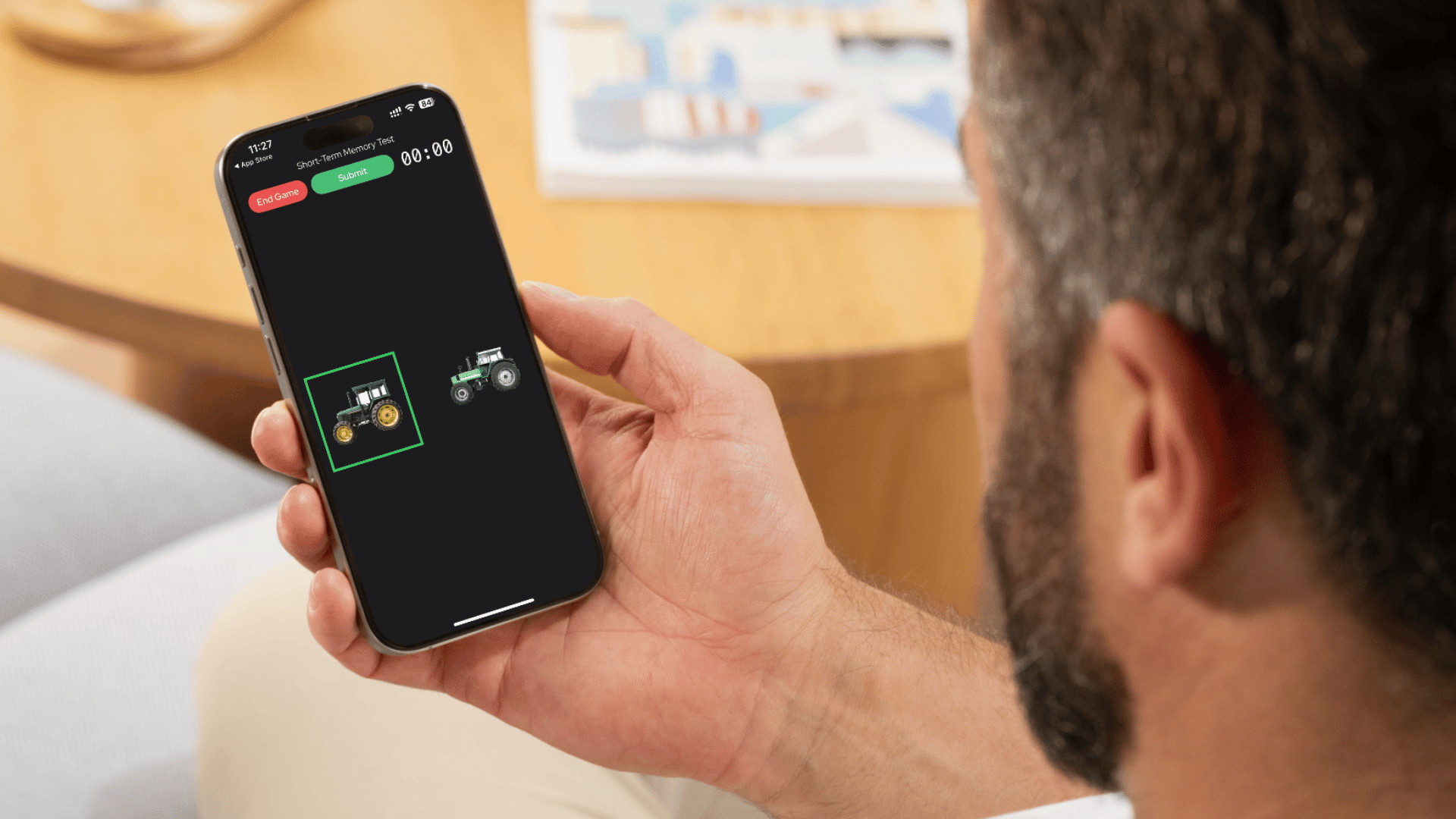
Every participant enrolled in the study will undergo comprehensive routine clinical evaluation, including digital cognitive testing with PREMAZ.
New international research collaboration will generate comprehensive multimodal datasets of 300 patients with early cognitive impairment
The prospective longitudinal study will recruit more than 300 patients presenting with cognitive symptoms at Fortis Hospitals in India, all of whom will receive a brain MRI, extensive cognitive assessment, clinical evaluation, and blood biomarker testing. These 300 participants will range across the spectrum of early cognitive health categories, including healthy controls, individuals with subjective cognitive decline (SCD), and patients with mild cognitive impairment (MCI). This study is positioned to become one of the world’s richest multimodal datasets focused on the earliest stages of dementia.
As novel disease-modifying treatments begin to transform dementia care, identifying patients at the earliest possible stage has become one of the greatest challenges facing healthcare systems worldwide. While advances in blood tests, neuroimaging and digital testing have each accelerated independently, relatively few prospective clinical studies have integrated all of these approaches within the same patients over time.
This research collaboration aims to address this gap by generating a high-quality longitudinal dataset that will allow researchers to investigate how clinical symptoms, cognitive performance, imaging findings, and biological markers interact during the earliest phases of disease.
Studying Dementia Earlier Supports New Therapies and Interventions
Unlike many dementia studies that focus on patients after significant memory problems have already developed, this collaboration is designed to investigate the continuum from normal cognition through to the earliest clinically detectable changes. By studying individuals before dementia develops, and combining detailed brain imaging, cognition, clinical phenotyping, and biological markers within the same participants, researchers hope to better understand how the disease first emerges and progresses.
The researchers hope that the insights generated through this study will contribute to a future in which dementia can be identified earlier, patients can access support sooner, and healthcare shifts progressively towards earlier intervention and prevention rather than treatment of established disease.
One of the Most Comprehensive Clinical Characterisation Studies in Early Cognitive Impairment
Every participant enrolled in the study will undergo comprehensive routine clinical evaluation as part of their care pathway, including full neurological assessment (gait assessment, cranial nerve examination, motor and sensory examination, etc.), digital cognitive testing using PREMAZ, neuropsychological testing, extensive blood investigations, and brain MRI.
With more than 300 patients expected to undergo brain MRIs, the study will generate one of the largest deeply characterised prospective clinical datasets of its kind, providing an unprecedented opportunity to explore how structural brain changes relate to cognition, clinical presentation, and biological markers in real-world patients.
From Cambridge Research to Global Clinical Practice
The collaboration is led and coordinated by UK brain health company Prema Cognition, working alongside researchers at the University of Cambridge Memory Lab and clinicians at Fortis Hospitals in India.
Prema Cognition was founded by Cambridge-educated medical doctor Julia Cooney back in 2023. Over the past three years, the company has worked with the University of Cambridge Memory Lab to translate more than a decade of Cambridge research into a digital memory test that can be used in routine clinical care.
The resulting product, PREMAZ, launched just 12 months ago and has already expanded into more than 30 clinics across the UK and US. The company has also established six clinical research collaborations spanning more than 1,200 participants, with this latest study representing its largest and most ambitious collaboration to date.
Dr Julia Cooney, founder and CEO of Prema Cognition, said: "The future of dementia research lies in understanding the disease earlier and building more diverse datasets that better reflect the global population. This collaboration represents an important step towards that future."
Expanding World-Class Dementia Research Beyond Traditional Research Centres
The study also represents an important step towards broadening participation in dementia research.
Historically, many large-scale dementia studies have been concentrated within Europe and North America. By establishing this collaboration in India, the project will generate valuable data from a population that has been comparatively underrepresented in international dementia research despite carrying a rapidly growing burden of disease and a large ageing population.
By combining advanced digital cognitive assessment with investigations already performed during routine clinical care, the study aims to generate evidence that is relevant not only to specialist academic centres, but also to healthcare systems seeking scalable and equitable approaches to earlier diagnosis.
About Prema Cognition
Prema Cognition is a digital healthtech company focused on earlier detection of dementia. It is the company behind PREMAZ, a digital cognitive assessment created in collaboration with the University of Cambridge Memory Lab. PREMAZ is designed to identify subtle changes in cognitive decline long before symptoms appear. By translating advanced neuroscience into a clinician-ready digital tool, Prema Cognition is enabling earlier intervention and supporting research into brain health. The platform is already in use across clinics and research settings in the UK and the US. Prema Cognition was co-founded by medical doctor Dr. Julia Cooney, a Forbes 30 Under 30 honoree, and Cameron Kirkpatrick.
Learn more at: https://www.premaz.org/
Maria Doyle
Doyle Strategic Communications
+1 781-964-3536
maria@doylestratcomm.com
Visit us on social media:
LinkedIn
How is PREMAZ different from other memory tests?
Legal Disclaimer:
EIN Presswire provides this news content "as is" without warranty of any kind. We do not accept any responsibility or liability for the accuracy, content, images, videos, licenses, completeness, legality, or reliability of the information contained in this article. If you have any complaints or copyright issues related to this article, kindly contact the author above.
